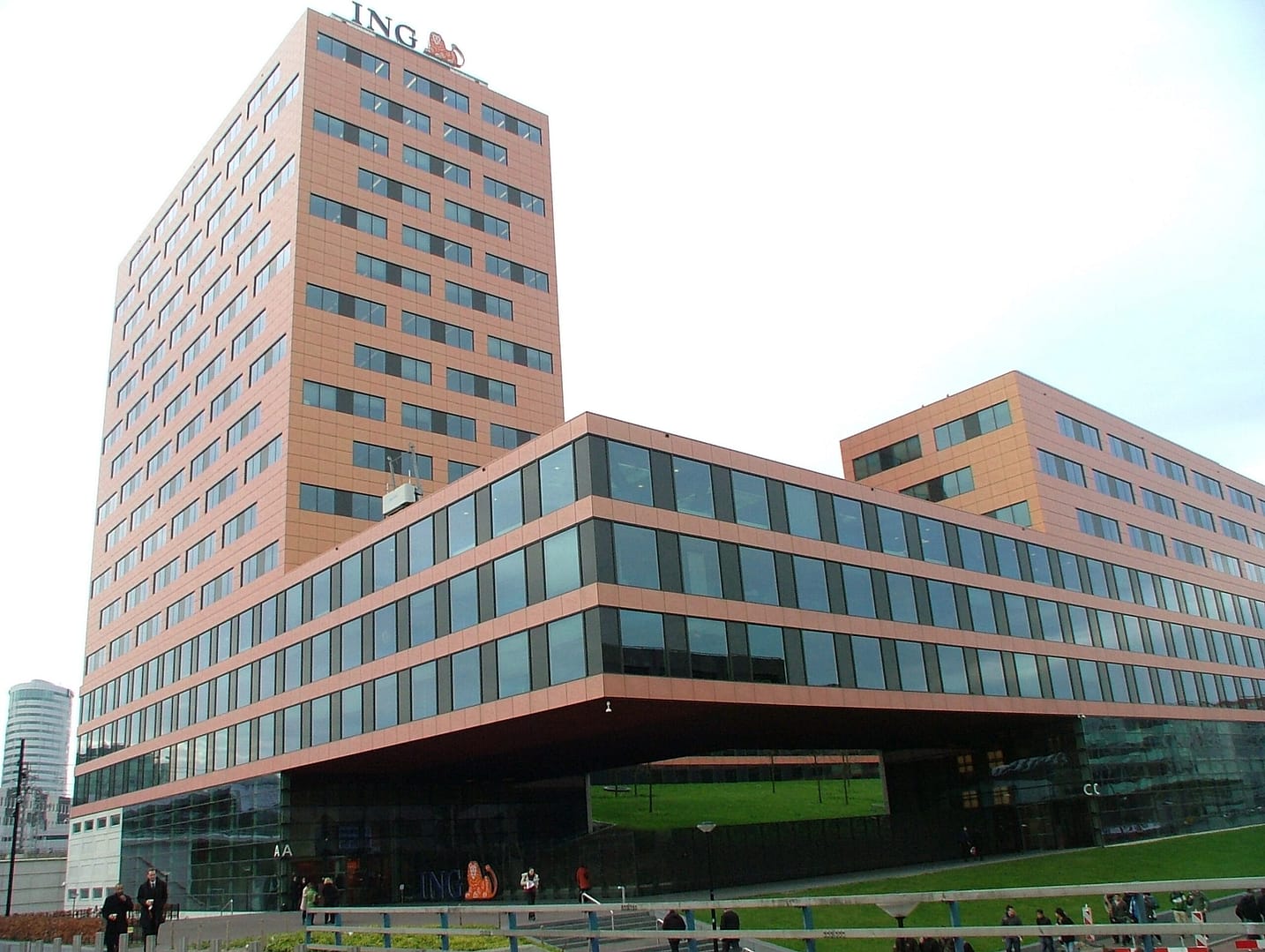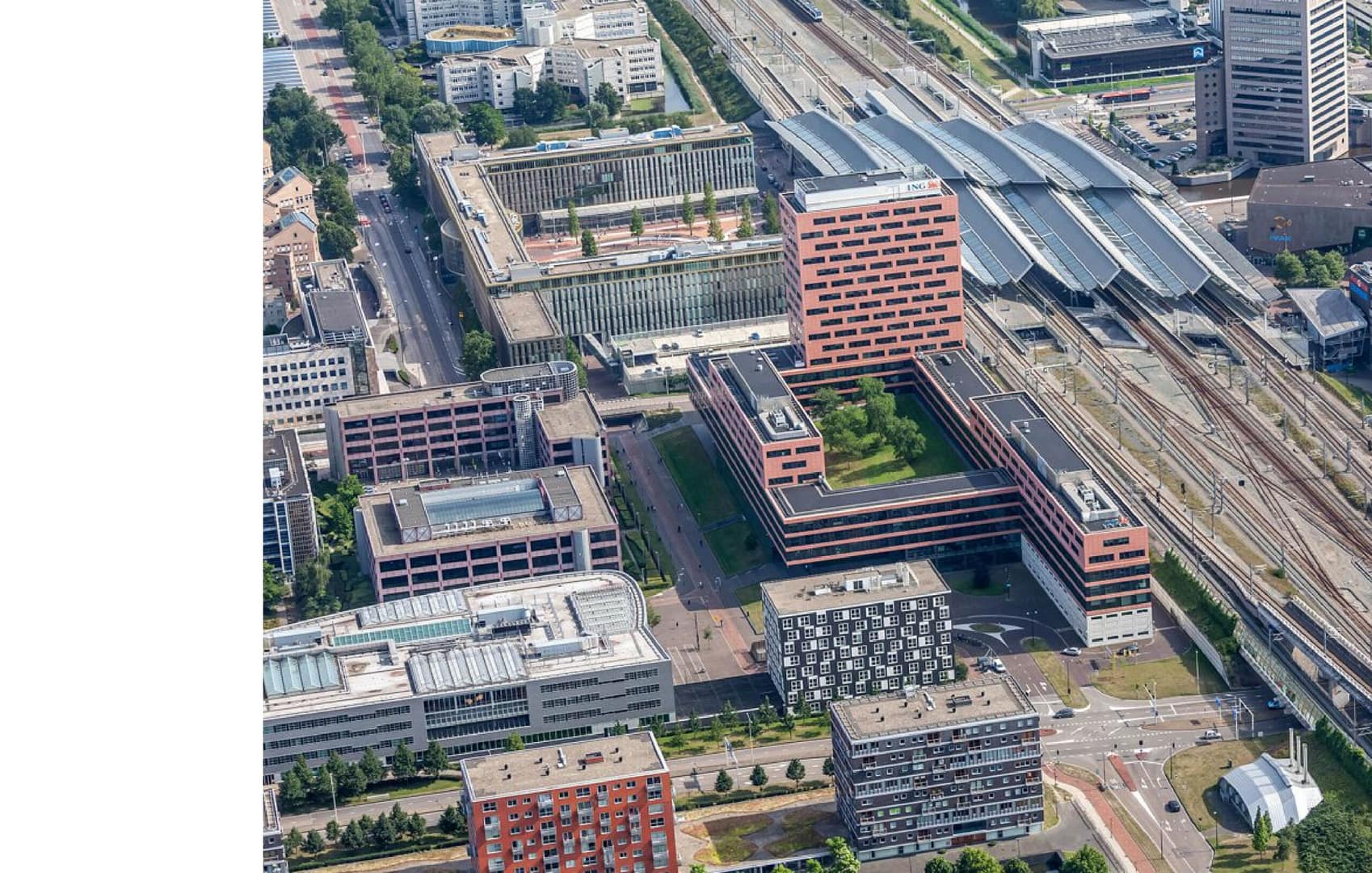
Acanthus is a modern office building in Amsterdam Zuidoost with nearly 49,000 square metres of floor space. Since 2024, Spectral has been optimizing energy use in the building with its BRIGHTER Optimize platform. The results are clear. With a relatively modest investment, energy usage dropped by 18 percent within one year. Peak electricity demand was reduced by 23 percent. More than 30,000 kilograms of CO₂ emissions were avoided, all without compromising occupant comfort. At this rate, the investment will be recouped within two years.
2024
Flow Real Estate, the building owner, together with main tenant ING, aimed to reduce the building’s energy intensity. To identify optimization potential, CBRE, responsible for property management, required deeper insight into energy flows and more effective control mechanisms.
Based on earlier successful projects such as B Vital, the owner engaged Spectral. With BRIGHTER, Spectral provides an advanced energy optimization platform that integrates directly with Acanthus’ existing building management system (BMS). Using building data, BRIGHTER adds an AI-driven control layer that automatically steers the BMS in real time.
The project started with an in-depth technical assessment by Spectral. Comparable to a full technical inspection, this analysis identified optimization opportunities within the existing system data. To complement missing information on temperature, airflow and usage patterns, 80 additional sensors were installed. Ownership of this sensor data remains with the building manager.
Spectral then installed the BRIGHTER hardware and connected it to the existing BMS. BRIGHTER continuously analyses all available data from both the BMS and the additional sensors. Based on these insights, it optimizes energy flows and indoor comfort throughout the day.
Through an intuitive dashboard with real-time data, building managers gain direct insight into building performance. They can also benchmark results against other buildings. BRIGHTER consolidates all data streams into a single overview. Analyses can be performed at main and sub-meter level and linked to individual zones, providing tenant-level consumption insight. Temperatures and technical installations remain easy to monitor at all times.
With BRIGHTER, Acanthus also complies with the energy monitoring requirements of the BACS regulation. From January 2026, buildings like Acanthus must meet at least a Class B control system. With BRIGHTER, Acanthus achieves Class A, the highest possible rating.
BRIGHTER also identifies deviations in installations that affect optimal performance. While a traditional BMS generates alarms for installers, BRIGHTER adds an additional performance-focused layer. It detects inefficiencies that often go unnoticed, such as systems working against each other or setpoints not being achieved despite active control. These issues lead to unnecessary energy losses, for example in air handling units or climate installations with developing faults.
Potential issues are flagged within BRIGHTER and reviewed remotely by a Spectral engineer. Only confirmed deviations are escalated to the building manager or installer, supported by precise diagnostic information. This allows targeted intervention with maximum impact. At Acanthus, Spectral works closely with installation partner Warmtebouw.
Within three months, BRIGHTER was fully operational across the entire building, making it the fastest implementation solution in the market. After one year, the building operates significantly more efficiently. Climate-related complaints have decreased according to the property manager. Overall energy consumption is 18 percent lower than before. Electricity use dropped by around 5 percent, while peak demand on the grid was reduced by 23 percent.
Ongoing monitoring delivered additional insights into the performance of the climate systems. These insights are implemented in close collaboration with Warmtebouw. Both current and future tenants benefit from further energy savings, improved indoor climate control and greater perceived comfort.